
2026-10-17 ·
How Wind, Hail, and Snow Can Affect Roofs in Great Falls, MT
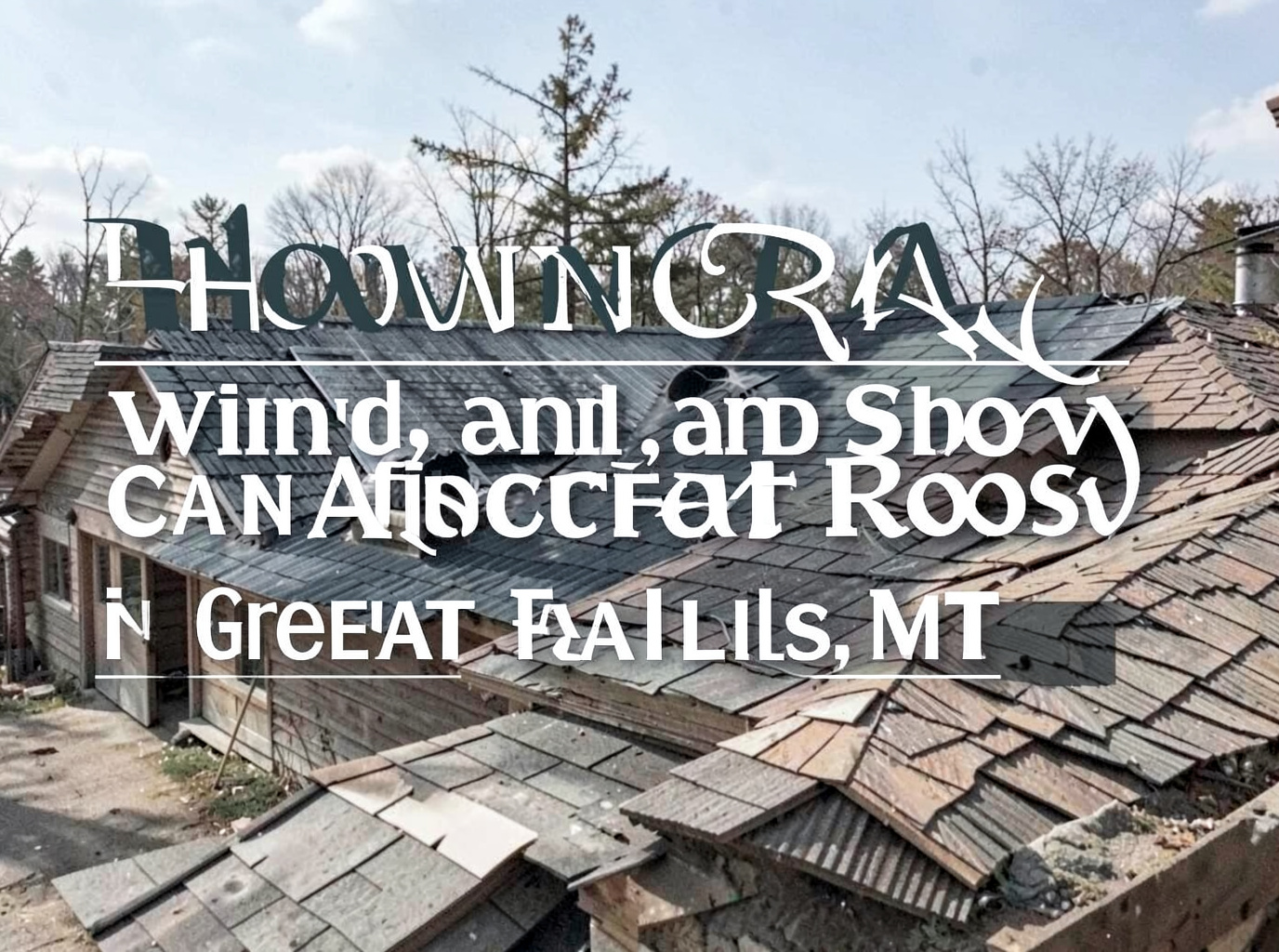
Wind, hail, and snow each damage roofs in Great Falls through distinct mechanisms tied to Cascade County weather patterns. Wind gusts along the Missouri River corridor lift and tear shingles on older homes in Black Eagle and Downtown Great Falls. Hail dents or cracks asphalt surfaces during summer storms that move in from the west. Snow accumulation adds weight that can sag rafters on homes built before the 1970s, particularly after repeated freeze-thaw cycles common in the area.
Wind Effects on Roofs in Open Terrain
Great Falls experiences consistent winds that funnel through the river valley and hit exposed neighborhoods hardest. In West Great Falls and areas near Giant Springs, gusts often exceed 40 mph and pry up edges of asphalt shingles on south-facing slopes. Older housing stock in Black Eagle features thinner underlayment that tears more easily under repeated pressure. Metal panels can loosen at seams when fasteners back out over time. Homeowners notice granules collecting in gutters after high-wind events and should check flashing around chimneys and vents. Wind damage roof repair addresses these issues before leaks develop under the next storm.
Hail Impacts During Summer Storms
Hail forms quickly during warm-season thunderstorms that track across Cascade County from the direction of Helena. Stones larger than three-quarters of an inch dent asphalt shingles and fracture the protective coating, shortening roof life by several years. Homes near the C.M. Russell Museum often show concentrated damage on west exposures because storms approach from that side. Metal roofs may show dimples but usually remain watertight unless the hail is severe enough to crack seams. After a storm passes, inspect for cracked granules and soft spots by walking the roof on a mild day. Hail damage roof repair restores the surface before moisture reaches the deck.
Snow and Ice Loads in Long Winters
Heavy snow falls throughout the cold months and stays on roofs longer in shaded sections of Downtown Great Falls. Loads of 20 to 30 pounds per square foot accumulate on low-slope sections and push against older rafters in homes built near the river. Ice dams form along eaves when warm air from the house melts snow that refreezes at the edge, forcing water under shingles. Black Eagle properties with limited attic insulation see more frequent dam issues. Clearing snow with a roof rake after major accumulations reduces risk, but avoid metal tools that scratch surfaces. When to replace your roof before winter hits in Great Falls, MT outlines timing for homes showing prior wear.
Choosing Materials for Local Conditions
Asphalt shingles remain common but require reinforced underlayment in wind-prone zones near Billings road corridors. Metal roofing stands up better to both hail and snow shedding, though initial cost runs higher. Homeowners in Ulm and Vaughn often select standing-seam systems for their durability against repeated freeze-thaw cycles. Regular inspections after each season catch small issues before they require full replacement. Metal roofing and other options for Montana's harsh winters in Great Falls, MT compares performance across local weather realities. The company operates from Great Falls, MT with hours Monday through Friday 8am to 6pm and Saturday 9am to 2pm.